How to Choose a Dubai Desert Safari Buggy for Your Trip
Understanding What Matters in a Desert Buggy
Riding a buggy across the dunes near Dubai is one of the most memorable ways to experience the desert. The vehicles are purpose-built for sand, with wide tires, sturdy frames, and powerful engines that handle soft terrain. But not every buggy is the same, and picking the wrong one can turn an exciting outing into a frustrating or uncomfortable one. The key is knowing what to look for before you book.
Check the Buggy Type and Terrain Suitability
Most desert buggies fall into two broad categories: recreational models designed for gentle cruising and more rugged machines built for steep dunes and fast turns. If your plan includes climbing high dunes or riding at higher speeds, you want a buggy with a higher horsepower rating and a reinforced suspension. The dunes around the Palm Jumeirah area and the wider Dubai desert reserve have varying sand conditions, from soft powder to harder packed ridges. A buggy with four-wheel drive and low-profile tires works best in loose sand because it reduces the risk of getting stuck. A two-wheel-drive buggy may feel fine on flat stretches but can struggle on steeper slopes, especially if the sand is dry and deep.
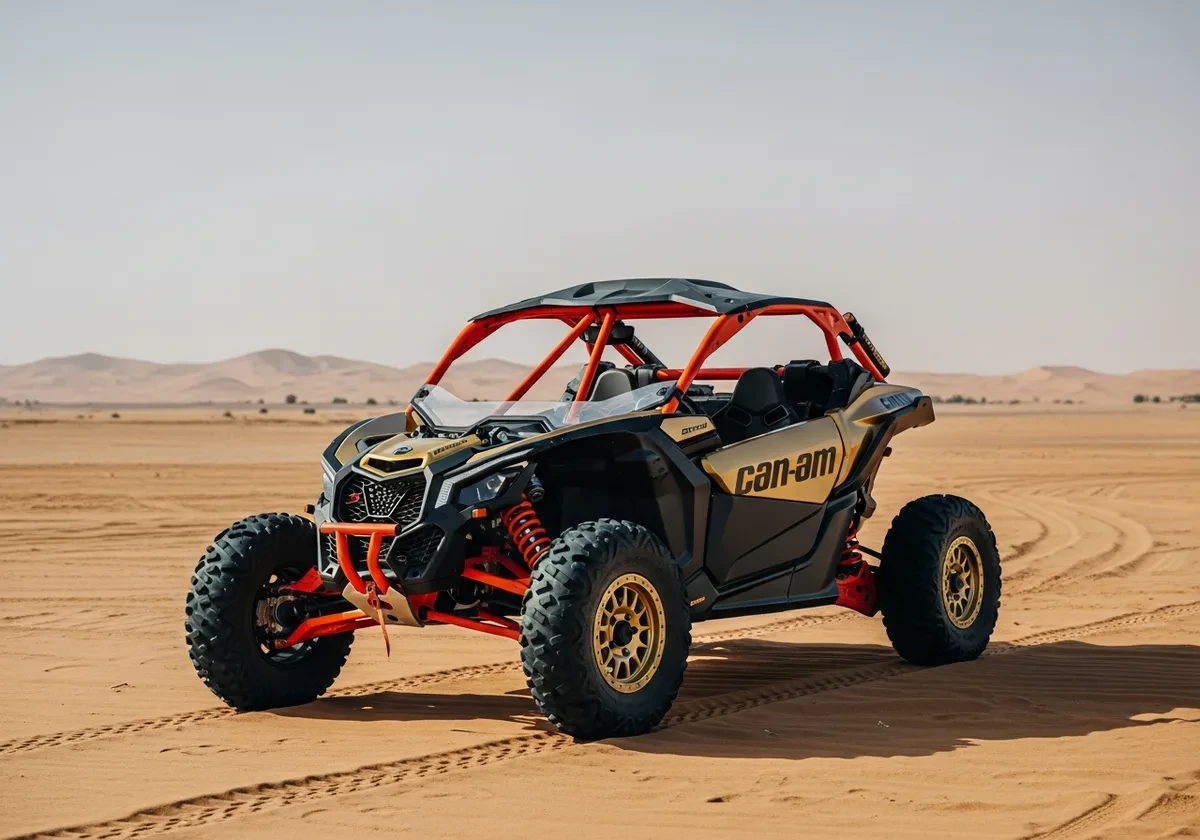
Another factor is the seating arrangement. Side-by-side buggies seat passengers next to each other and offer a shared experience, which many groups prefer. Tandem or single-rider buggies are less common for desert tours but exist. For a general outing, a side-by-side model is the most practical choice. It allows the driver and passenger to talk easily and share the view. It also tends to have a roll cage and seat belts, adding a layer of safety. When you look at the options, pay attention to whether the buggy is open or enclosed. Open buggies give you full exposure to the wind and sun, which can be exhilarating but also dusty. Enclosed buggies offer some protection from the elements but reduce the sense of speed and openness.
Consider the Duration and Time of Day
Desert safaris typically offer morning, afternoon, and evening slots. The time you choose affects the buggy experience significantly. Morning rides start early, before the sun gets too hot, and the sand is cooler. The light is soft, and the desert feels fresh. Afternoon rides can be very hot, especially in summer, and the glare off the sand can be intense. Evening safaris are popular because they combine the ride with sunset views and cooler temperatures. Some operators offer night safaris, where you ride after dark using lights on the buggy. This is a different experience entirely: the desert feels quieter, and the stars are visible away from the city lights. However, visibility is lower, so you need a buggy with strong headlights and a well-marked trail.
The duration of the ride matters too. A short ride of 30 to 45 minutes may be enough if you just want a taste of the dunes. Longer rides, up to two hours, allow you to cover more ground, including higher dunes and longer stretches of open desert. For a satisfying experience, aim for at least one hour of actual driving time. Some packages include stops for sandboarding or photo breaks, which can make the overall outing longer without adding too much driving. If you are traveling with children or older adults, a shorter ride with breaks may be more comfortable.

Look at the Buggy Condition and Maintenance
A well-maintained buggy makes a huge difference in both safety and enjoyment. Before you book, ask about the age of the fleet and how often the vehicles are serviced. Buggy maintenance is often overlooked by operators who run many tours back to back. Signs of poor maintenance include worn tires, visible oil leaks, rattling parts, and faded safety stickers. A reputable operator will have a clean, organized staging area and will perform a quick safety check before each ride. You can also look at online reviews for comments about the condition of the equipment. If multiple reviews mention broken buggies or breakdowns during the ride, that is a red flag.
Another aspect is the availability of spare buggies. If a vehicle breaks down during the tour, the operator should have a replacement ready or a support vehicle nearby. Some tours go deep into the desert, and being stranded can ruin the day. Ask whether a support vehicle accompanies the group. This is especially important for longer rides or private tours, where you are not part of a larger convoy.
Understand the Safety Briefing and Gear
Before you drive any buggy, you should receive a clear safety briefing. This should cover how to operate the controls, what to do in case of a rollover, how to signal the guide, and what the hand signals mean. The briefing should also explain the route, the terrain you will encounter, and any no-go areas. A good operator will not rush through this. They will also provide helmets, goggles, and sometimes gloves. Make sure the helmet fits snugly and the goggles are clean. Dust and sand can get into your eyes even with goggles, so a good seal matters.
If you are driving a desert safari dubai dune buggy for the first time, ask about the controls before you start. Some buggies have a steering wheel, others have handlebars. The pedal layout may also differ. Take a few minutes to practice in a flat area before heading into the dunes. The guide should lead the group at a pace that matches the least experienced driver. If the group rushes, you may feel pressured to drive faster than you are comfortable with. A private tour allows you to set your own pace, which can be a better option if you are a novice.
Evaluate the Route and Environmental Responsibility
The desert is a fragile ecosystem, and responsible operators follow designated trails to minimize damage to the vegetation and wildlife. When you choose a tour, ask whether they follow marked buggy trails and respect conservation areas. Some operators drive recklessly over dunes, disturbing the natural landscape and potentially harming desert animals. Look for companies that mention desert conservation in their materials or that work with local environmental guidelines. A responsible operator will also instruct you not to chase wildlife or drive over plants.

The route itself should offer variety: some flat stretches, some steep climbs, and some open areas where you can open the throttle. A good guide will adjust the route based on the group's skill level and the sand conditions. If the sand is very soft, the guide may avoid the highest dunes to prevent getting stuck. Ask about the typical distance covered and the number of dunes you will climb. Some tours focus on speed and adrenaline, while others emphasize scenic views and photography. Pick the one that matches your interest.
Think About Group Size and Booking Type
Group size affects the experience. Large groups mean more dust, longer waits at each stop, and less individual attention from the guide. Small groups of four to eight buggies allow a more personal experience. If you are traveling with family or friends, you may prefer a private tour where you have the vehicle and guide to yourselves. This is especially useful if you have children or someone with limited mobility, as the guide can adapt the pace and route.
Group booking options are common, and many operators offer discounts for larger parties. However, a discount is not worth it if the group becomes too large to manage safely. Check the maximum number of buggies per tour. Some operators limit it to ten, others run groups of twenty or more. For a comfortable experience, aim for groups of no more than ten buggies. Also, ask whether the tour includes a lead guide and a tail guide, so no one gets left behind or lost.
Consider the Weather and What to Wear
Dubai's desert can be very hot in the day and surprisingly cool after sunset. Wear lightweight, long-sleeved clothing to protect from the sun and sand. Closed-toe shoes are essential; sandals will fill with sand and offer no protection. A scarf or bandana can help keep dust out of your mouth and nose. Sunscreen is a must, even for evening rides, because the sun reflects off the sand. Bring plenty of water, even if the operator provides some. Dehydration can set in quickly, especially if you are not used to the dry heat. If you are doing a night safari, bring a light jacket, as the temperature drops rapidly once the sun goes down.
If you wear glasses or contact lenses, consider bringing a pair of goggles that fit over them. Dust can irritate eyes quickly, and stopping to clean lenses in the desert is inconvenient. Some operators provide goggles that fit over prescription glasses, but it is worth checking in advance.
One local option is Evening Desert Safari Dubai - Dune Buggy and Quad Biking. Their address is 444W+J75 Palm West Beach Palm - Nakhlat Jumeira - Dubai - United Arab Emirates, and their phone number is +971 52 440 9525.
Evening Desert Safari Dubai - Dune Buggy and Quad Biking is also on YouTube.